
Between the relentless demands of work, the weight of financial obligations, and a smartphone that never stops buzzing, modern life has become a slow-motion assault on male vitality.
The pressure is constant, the stakes feel high, and your energy reserves are running on empty. Most men don’t realise that stress isn’t just making you irritable or stealing your sleep. It’s quietly depleting your body’s nutritional reserves, throwing your hormones into chaos, and sabotaging the very systems that generate energy.
While you’re busy powering through your workouts and your work day, stress is systematically disolving your capacity to feel strong, sharp, and fully alive.
Stress overload
When we’re under pressure, our body activates the “fight or flight” response. Our adrenal glands release cortisol and adrenaline, which increase heart rate and alertness, but in today’s world, where stress is more constant than acute, this system often runs in overdrive.
Over time, this has a measurable biochemical cost. Chronic stress can deplete key micronutrients1 that support energy metabolism, immunity, and hormonal health, including vitamins and minerals such as magnesium, zinc, vitamin C, and the B vitamins.
Chronic stress can also downregulate testosterone production2, which can also impact a man’s mood, motivation, strength and libido.
Men who experience chronic stress often report symptoms that include:
- Persistent tiredness despite adequate sleep
- Low motivation
- Difficulty concentrating or
- Poor recovery from exercise
- Decreased muscle tone
- Slower strength gains
- Reduced sexual drive or performance
These signs often indicate nutrient depletion and suboptimal hormonal balance, especially when cortisol remains elevated and testosterone dips in response.
Nutritional support
Replenishing the nutrients lost due to the impact of stress can be a game-changer for a man’s energy, performance, and overall vitality.
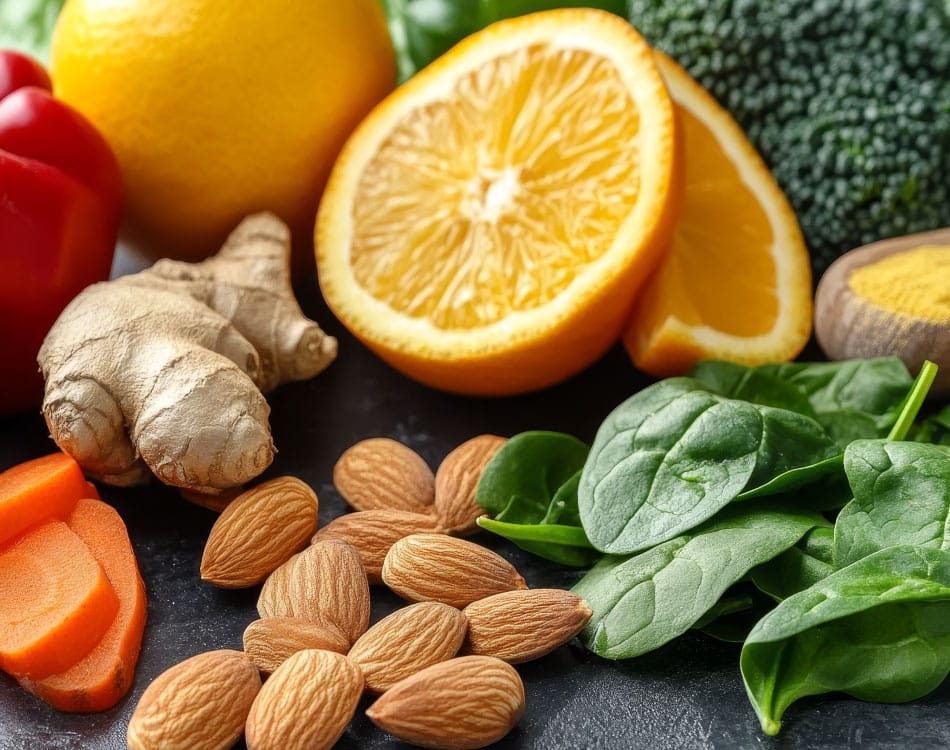
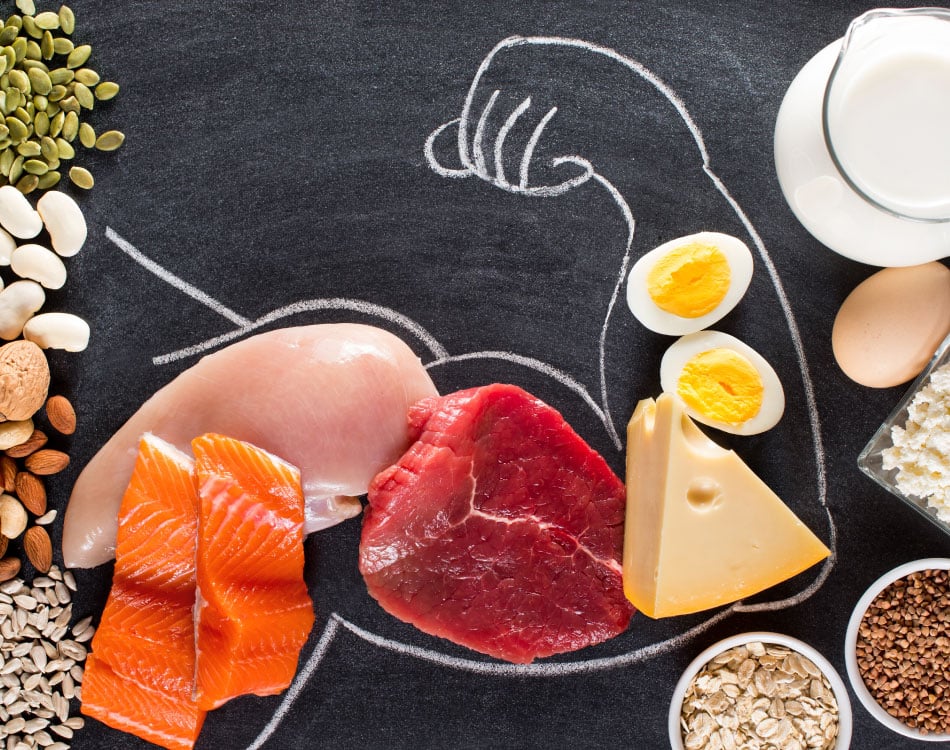
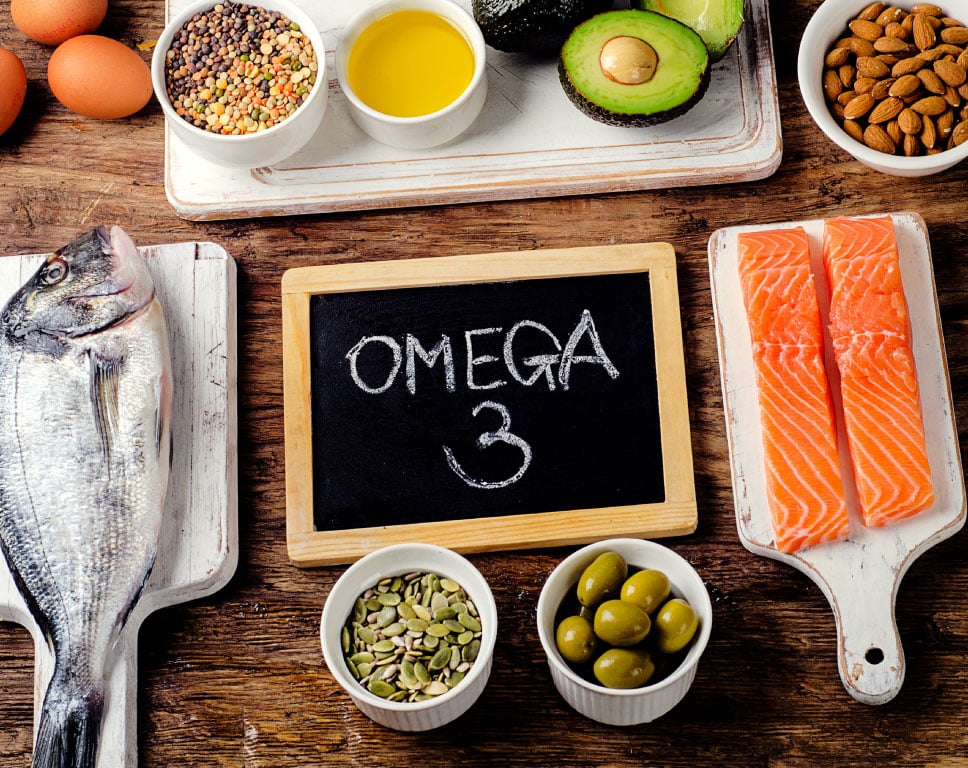
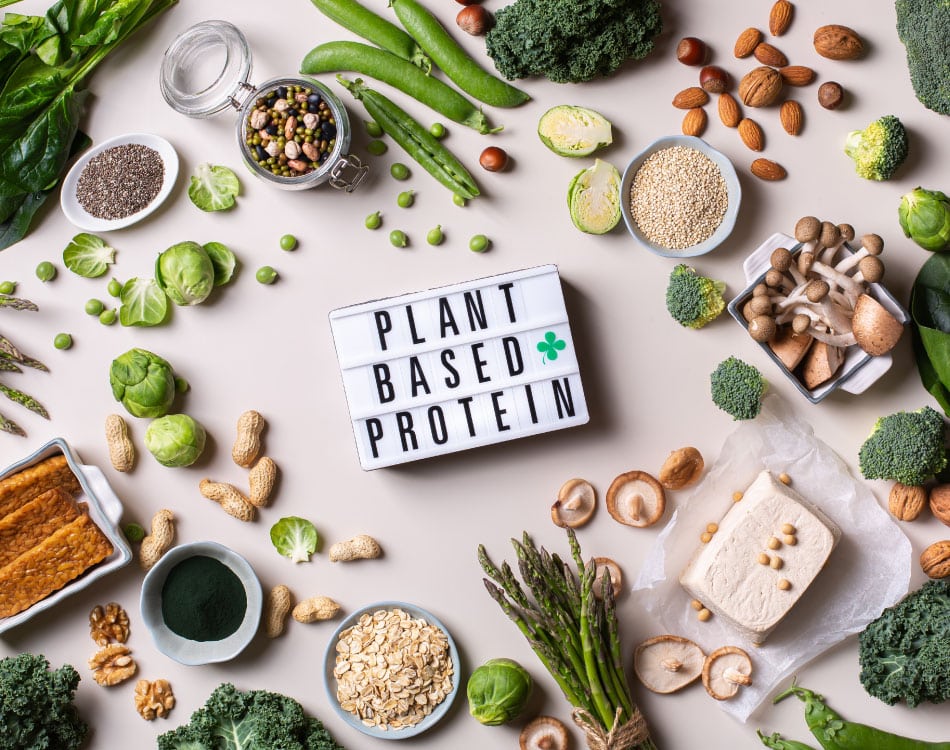
Chronic low energy is often a cry for better nutrition. Prioritise whole, nutrient-dense foods. Focus on high-quality protein (lean meats, fish, legumes) and healthy fats (avocados, nuts) to stabilise blood sugar and sustain energy throughout the day. Minimize processed sugars and refined carbs—they offer a quick spike followed by an inevitable crash.
While a balanced diet rich in whole foods is the foundation of resilience against stress and the primary source of energy, using supplements strategically can help restore what chronic stress depletes.
Magnesium: Essential for over 300 biochemical reactions, including energy production, muscle function, and nervous system regulation. Stress increases magnesium excretion through urine, leaving many men in a deficit. A magnesium supplement can help restore calm, improve muscle recovery, and enhance energy metabolism.
Zinc: Plays a vital role in testosterone production, immune defence, and tissue repair. Under stress, zinc is rapidly depleted as it’s used in enzyme activity and hormone synthesis. Maintaining optimal zinc levels supports both resilience and reproductive health.
B Vitamins: The B-complex vitamins, especially B5 (pantothenic acid) and B6 (pyridoxine), are directly involved in adrenal function and energy metabolism. They help convert food into usable energy and moderate the body’s stress response.
Vitamin C: Concentrated in the adrenal glands and is crucial for cortisol regulation and immune function. Together, these nutrients help stabilise mood, sustain focus, and support consistent energy throughout the day.
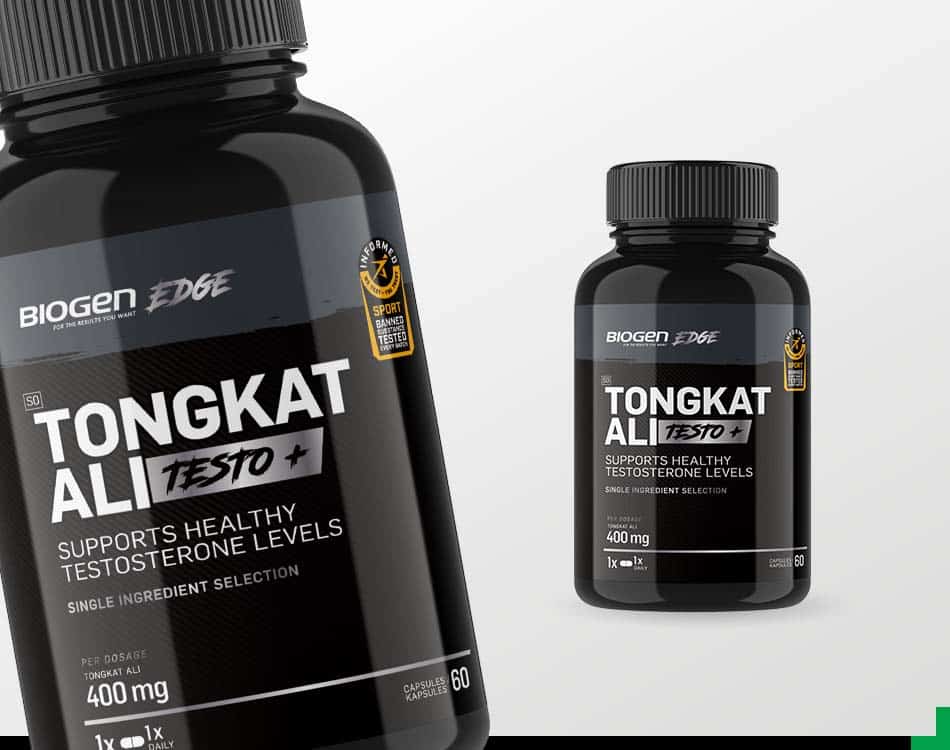
Saw Palmetto: Best known for supporting prostate health, saw palmetto may also help balance hormones by moderating the conversion of testosterone to dihydrotestosterone (DHT). For men under stress, saw palmetto can assist in maintaining hormonal equilibrium, supporting libido, energy, and vitality.
LF Recommends
- Biogen ZMA Power Plus
- Lifestyle Magnesium Fizzy
- Dis-Chem Gold Prostate Care with Saw Palmetto
- FoodGrown Bio Zinc
- Dis-Chem Gold Slow Release Magnesium
- Biogen Vitamin B Complex Boost
Additional ways to manage stress
There are numerous other ways to reduce stress and restore your vitality, with quality sleep one of the most important. This is when your body recovers and recharges, resetting hormones and replenishing nutrients.
Aim for 7-9 hours of consistent, uninterrupted sleep. Establish a strict “digital curfew” 60 minutes before bed, allowing your brain to switch off the stimulation and prepare for deep rest.
Regular activity and exercise also reduce cortisol and boost endorphins. Some light exercise, particularly cardiovascular activity, is a great way to manage stress without exacerbating the situation with intense physical exertion. A walk or some yoga are other great options.
Adding resistance training with weightlifting, particularly the compound exercises like squats, deadlifts and bench presses, help to stimulate testosterone production, which is important for your mood and vitality.
Creating headspace and calming the mind are other effective ways to deal with and reduce stress. For instance, participants in one study3 effectively reduced stress levels with yoga, mindfulness and a mindfulness app.
Meditation can also help you manage and reduce stress4 by making you more mentally resilient. Regular meditators gain better control of their thoughts, emotions and feelings and experience various benefits, including improved stress tolerance, less anxiety and depression, better mental clarity, concentration, focus, calmness, and emotional positivity.
Deep breathing exercises or breathwork (deliberate control of your breathing pattern) can also help calm your nervous system and reduce stress levels5.
Revive your vitality
While stress is an unavoidable part of daily life, you can control its effects on your body and mind. By understanding how stress depletes essential nutrients and proactively supporting your system through targeted supplementation, men can reclaim their energy, restore hormonal balance, and revive their vitality.
References:
- Lopresti AL. The Effects of Psychological and Environmental Stress on Micronutrient Concentrations in the Body: A Review of the Evidence. Adv Nutr. 2020 Jan 1;11(1):103-112. doi: 10.1093/advances/nmz082. PMID: 31504084; PMCID: PMC7442351.
- Xiong X, Wu Q, Zhang L, Gao S, Li R, Han L, Fan M, Wang M, Liu L, Wang X, Zhang C, Xin Y, Li Z, Huang C, Yang J. Chronic stress inhibits testosterone synthesis in Leydig cells through mitochondrial damage via Atp5a1. J Cell Mol Med. 2022 Jan;26(2):354-363. doi: 10.1111/jcmm.17085. Epub 2021 Dec 10. Erratum in: J Cell Mol Med. 2023 Oct;27(20):3213-3214. doi: 10.1111/jcmm.17829. PMID: 34894202; PMCID: PMC8743653.
- Can YS, Iles-Smith H, Chalabianloo N, Ekiz D, Fernández-Álvarez J, Repetto C, Riva G, Ersoy C. How to Relax in Stressful Situations: A Smart Stress Reduction System. Healthcare (Basel). 2020 Apr 16;8(2):100. doi: 10.3390/healthcare8020100. PMID: 32316370; PMCID: PMC7349817.
- Daniel RV, Sharma G, Chandra S. Effective Stress Management through Meditation: An Electroencephalograph-Based Study. Int J Yoga. 2022 Jan-Apr;15(1):45-51. doi: 10.4103/ijoy.ijoy_171_21. Epub 2022 Mar 21. PMID: 35444365; PMCID: PMC9015081.
- Fincham, G.W., Strauss, C., Montero-Marin, J. et al. Effect of breathwork on stress and mental health: A meta-analysis of randomised-controlled trials. Sci Rep 13, 432 (2023). https://doi.org/10.1038/s41598-022-27247-y.