
There is one moment every year that most men over 40 dread most – their annual check-up for prostate cancer.
However, keeping a finger on the pulse of our prostate health is vital due to the rising prevalence of prostate cancer. It’s no longer considered a disease that afflicts older men anymore. It’s a global health crisis fuelled by our modern, sedentary lives and dietary habits.
We’re cutting through the discomfort to explain why taking a proactive approach to prostate health and regular screenings have become a matter of survival for all men.
Counting The Cancer Cost
According to data shared by the American Cancer Society, prostate cancer is the second most frequently diagnosed form, and is the fifth leading cause of cancer-related deaths (after lung, liver, colorectal, and stomach cancer).
Prostate cancer is the most commonly diagnosed cancer in males in 118 of 185 countries, but it’s the leading cause of death in sub-Saharan Africa.
The Cancer Association of South Africa (CANSA) affirms that the prevalence of this disease in South Africa is high, with 1 in 15 South African men facing a lifetime risk of developing prostate cancer (2022; National Cancer Registry).
Beyond the high mortality rate, the struggle to live and fight the disease, and the impact that has on your life and family, also comes at a significant cost.
Early Detection Saves Lives
So what can men do to reduce their risks? The first step is always a proactive approach to early detection.
Many men dread going for a routine check-up, daunted by the graphic stories told by others who have undergone a Digital Rectal Exam (DRE).
While the test itself may be uncomfortable, it’s got nothing on the harsh reality of the prostate cancer it detects, which is an alarming reality for men over the age of 40.
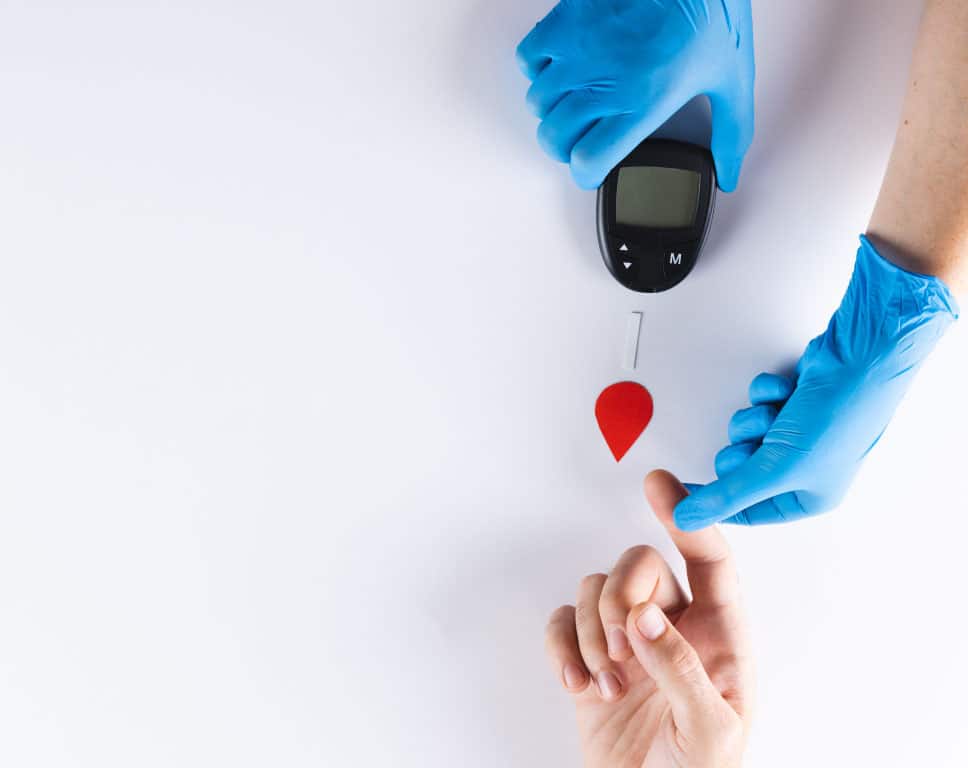
A prostate-specific antigen (PSA) blood test is generally recommended in addition to a DRE as part of a comprehensive screening strategy for prostate cancer in men who have discussed the benefits and risks with their doctor.
The PSA test measures levels of this specific protein that can become elevated due to prostate cancer. Importantly, it can detect cancer in areas the DRE cannot reach.
PSA test results are measured in nanograms per millilitre (ng/mL) and are interpreted in conjunction with a man’s age, as levels generally increase with age. Ideal readings include1:
- In your 40s: Below 2.5ng/mL
- In your 50s: Below 3.5ng/mL
- 60 and older: Up to 4.0ng/mL
- In general, a PSA level above 4.0 ng/mL is considered abnormal

Signs and Symptoms
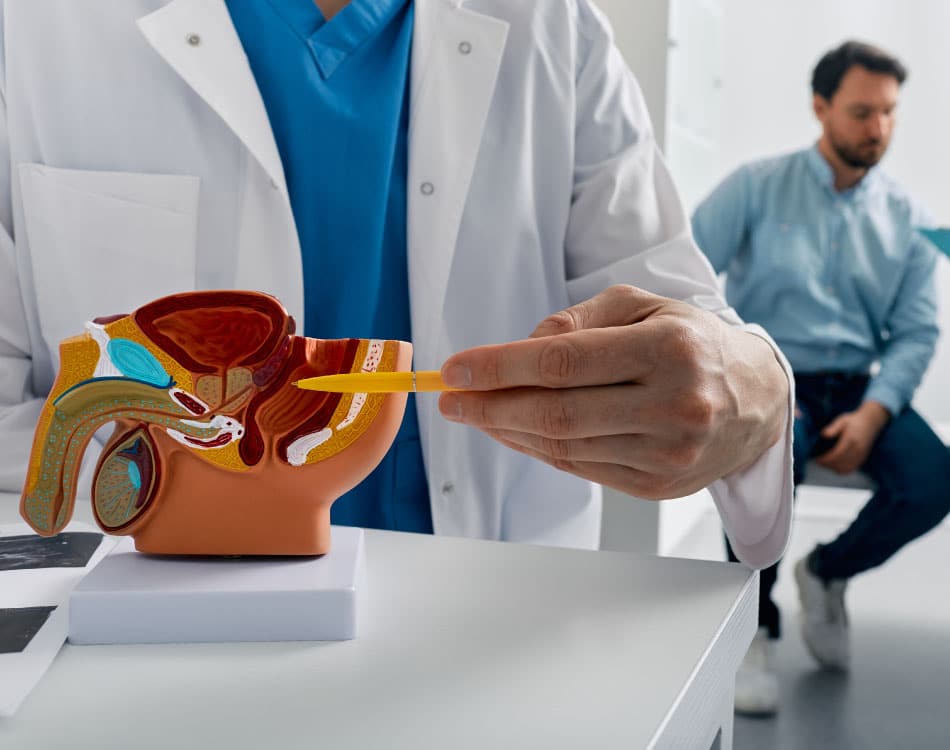
Between your annual check-ups, it is critical that men keep an eye out for early-warning signs that may require additional testing or more frequent check-ups, especially men at higher risk, like those with a family history of the disease.
There are the main signs and symptoms that men shouldn’t ignore2:
- Trouble urinating, or incontinence (loss of bladder control).
- Blood in your stool or urine.
- Changes in your bowel function.
- Persistent backache.
- Excessive weight and hair loss.
- Chronic fatigue.
Men must be vigilant about any changes in their bodies, particularly the urinary and lower back symptoms.
While most symptoms, like a weak urine flow or frequent nighttime urination, are more commonly caused by benign conditions, like an enlarged prostate (BPH), you should never ignore them.
Seek medical advice when experiencing these signs, especially if you have blood in your urine or persistent bone pain. Detecting prostate cancer early, often before it causes advanced symptoms, significantly increases the chance of successful treatment and a better long-term prognosis.
Prevention Better Than Cure
While early detection is vital, taking proactive steps to lower your risk is also crucial. According to the National Cancer Registry, 90% of cancers are caused by lifestyle and environmental factors3, such as a lack of exercise, poor diet, drinking alcohol and smoking.
- Avoid tobacco and limit alcohol
Tobacco remains the leading cause of preventable death as it is responsible for numerous cancers4. Alcohol presents another significant cancer risk, because it creates a compound (acetaldehyde) that damages cellular DNA when your body metabolises it, which increases cancer risk5. Beyond this direct damage, alcohol interferes with your body’s ability to absorb vital cancer-fighting nutrients, including vitamins A, C, and E6.
- Live an active lifestyle
The evidence is compelling: 150 minutes of moderate exercise or 75 minutes of vigorous activity weekly can meaningfully reduce your cancer risk7, while low fitness levels increase your risk of both cancer and heart disease, even if you’re not overweight.
A University of Vermont study8 tracking over 17,000 men found that those with the highest fitness levels had a 68% lower risk of lung cancer and a 38% lower risk of colorectal cancer compared to the least fit men. Even more encouraging, while fitness didn’t necessarily prevent prostate cancer, it significantly reduced the risk of death from the disease.
- Maintain a healthy weight
When it comes to cancer prevention, maintaining a healthy weight through regular physical activity and balanced nutrition stands as one of your most powerful tools.
Your weight influences cancer risk through complex hormonal pathways9. Obesity disrupts hormone regulation, particularly affecting insulin sensitivity and oestrogen production. This hormonal disruption creates an environment where cancer can thrive.
The insulin connection deserves particular attention. When cells become resistant to insulin, your pancreas compensates by producing more of this powerful growth factor. Elevated insulin levels over extended periods can accelerate the often uncontrollable division of cancer cells. Research confirms that individuals with higher circulating insulin-like growth factors face increased risk for aggressive prostate and colon cancers.
Maintaining a healthy BMI between 18.5 and 24.9 isn’t just about appearance—it’s about creating a metabolic environment that’s hostile to cancer development.
- Provide nutritional support
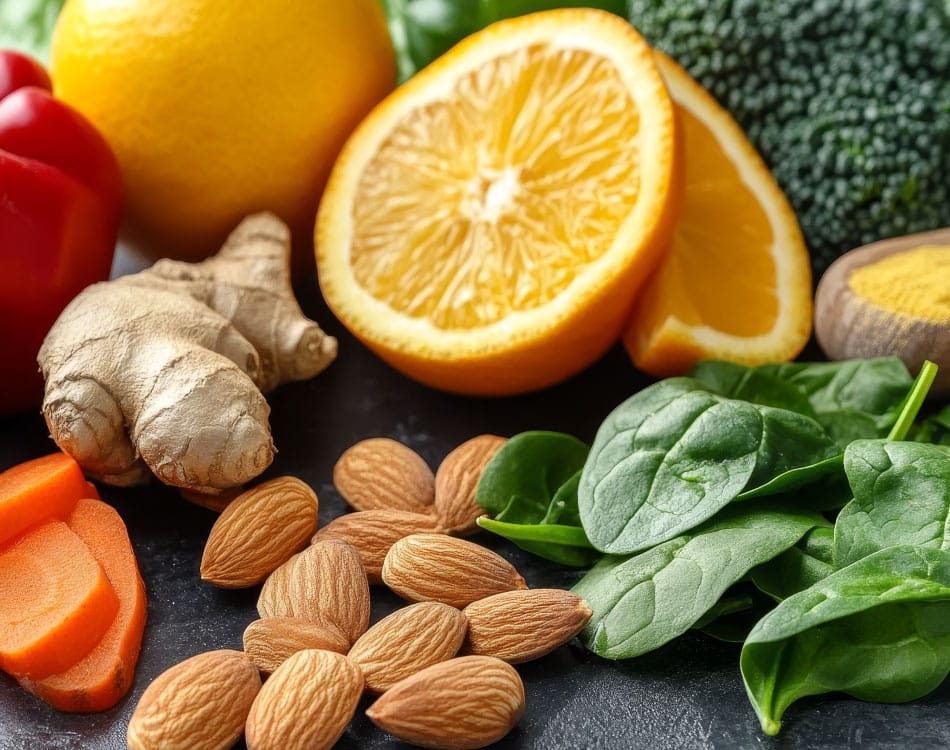
Your kitchen represents the front line in cancer prevention. A diet rich in colourful fruits and vegetables provides the antioxidants your body needs to neutralise free radicals, those unstable molecules that can damage DNA and create conditions for cancer to develop when levels remain chronically elevated in the body10.
You can find important anti-inflammatory nutrients11 such as beta-carotene from carrots, spinach, sweet potatoes, apricots, and leafy greens, which provide powerful cellular protection, while tomatoes (particularly cooked) have been specifically linked to prostate health due to their lycopene content.
Vitamins C and E, found in citrus fruits, berries, broccoli, cauliflower, peppers, and leafy greens, also work synergistically with vitamin E to combat oxidative stress12.
Recent research highlights specific foods with exceptional anti-inflammatory and anti-cancer properties.
- Green tea contains catechins, potent antioxidants that have demonstrated protective effects against prostate cancer13.
- Berries (blueberries, strawberries, and raspberries) deliver anthocyanins that regulate free radicals and reduce systemic inflammation14.
- Cruciferous vegetables (broccoli, cauliflower, and Brussels sprouts) contain sulforaphane, a compound that supports the body’s natural detoxification processes15.
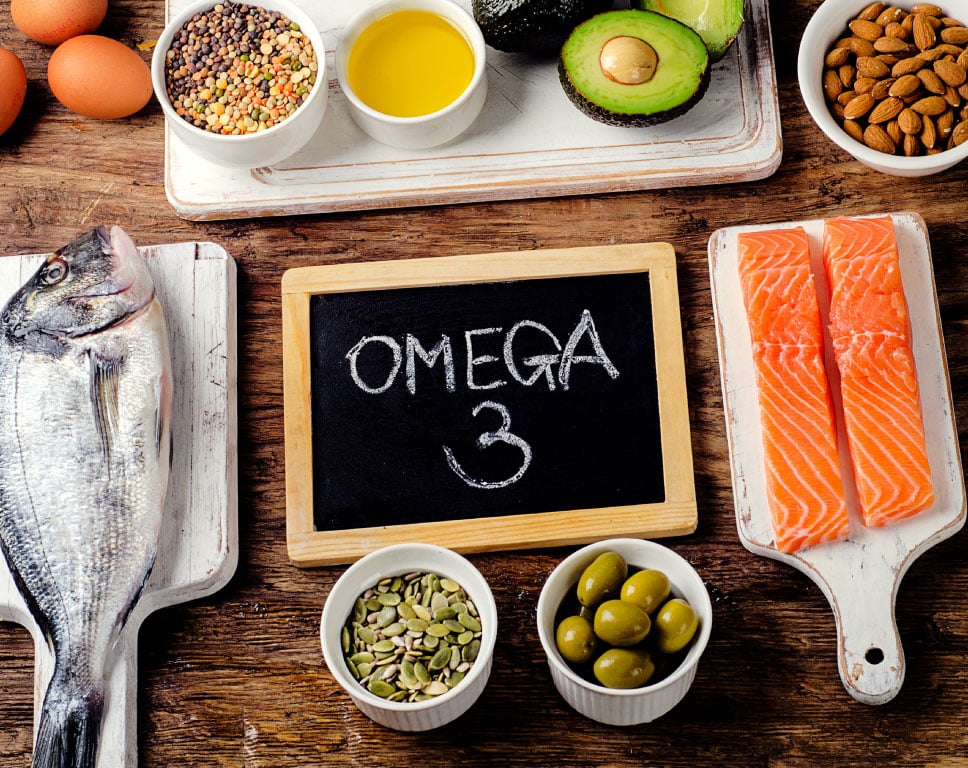
- Fatty fish rich in omega-3 fatty acids (salmon, mackerel, sardines) provide powerful anti-inflammatory benefits.
- Turmeric, with its active compound curcumin, has shown promise in studies10 for its ability to inhibit cancer cell growth and reduce inflammation.
When it comes to cancer prevention, subtracting certain foods from your diet also adds up to significant potential benefits.
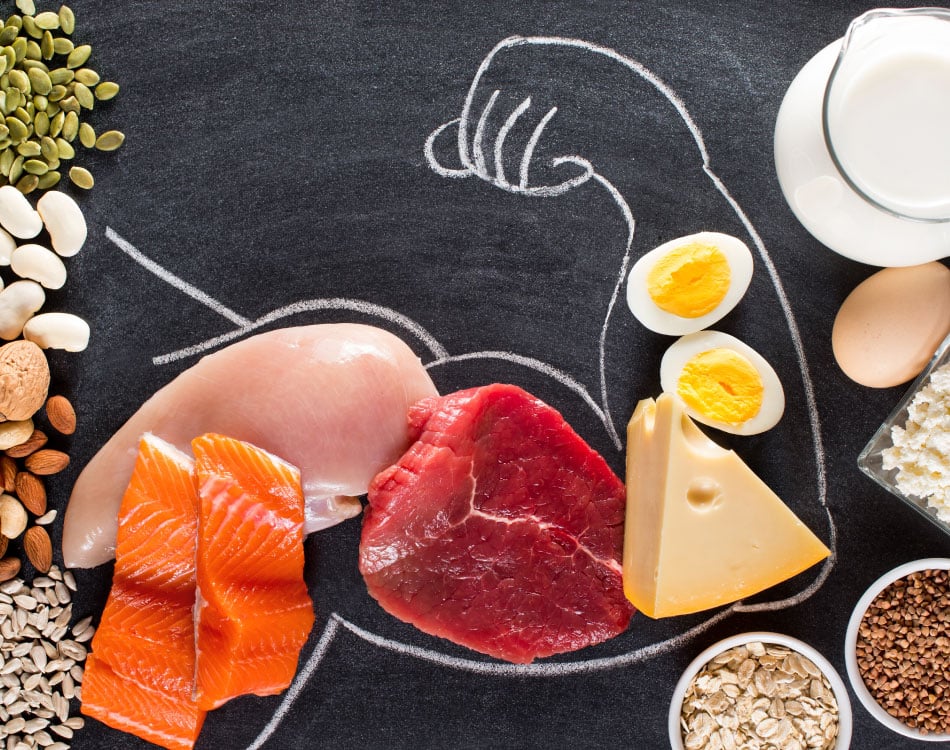
A high saturated fat intake, particularly from red and processed meats, consistently shows up as a cancer risk factor in research16.
In addition, when meat is cooked at high temperatures until well-done, it forms heterocyclic amines and polycyclic aromatic hydrocarbons—compounds with carcinogenic properties.
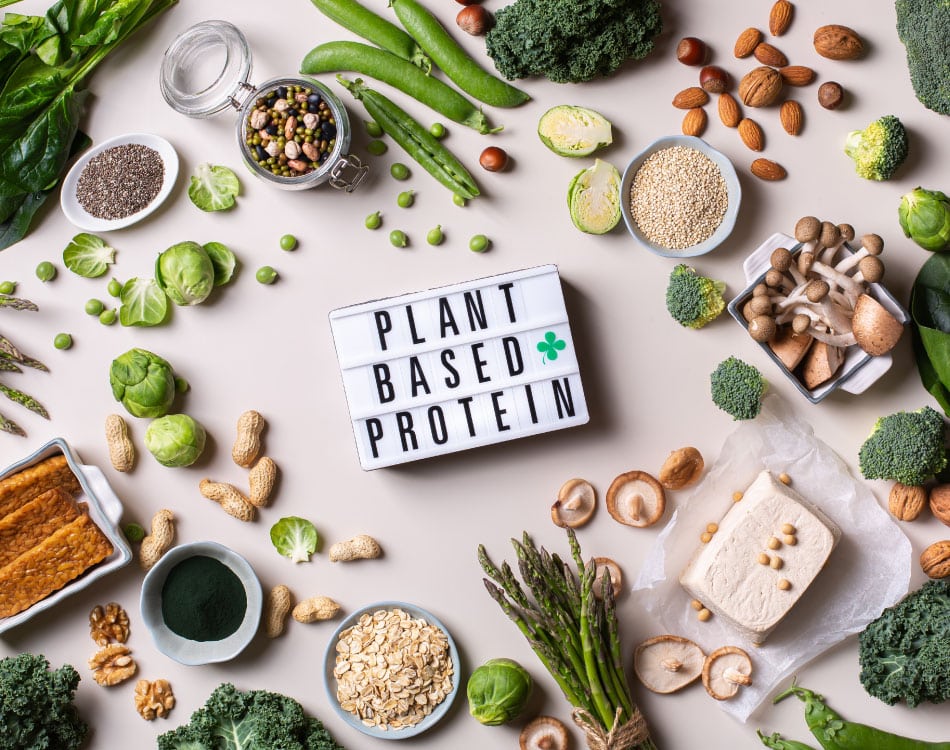
By reducing animal protein, you also limit exposure to hormones and antibiotics used in modern farming – factors that may influence cancer risk. It is also a smart move to minimise processed foods, added sugars, excessive salt, and products laden with artificial ingredients.
- Supplement your diet
While whole foods should form your foundation, certain supplements have shown promise in supporting prostate health.
Omega-3 fish oil supplements provide anti-inflammatory effects when dietary intake is insufficient, and green tea extract, found in a range of products, offers concentrated catechins, a group of polyphenolic compounds that are believed to help prevent cancer through a variety of complex mechanisms that target multiple stages of cancer development13.
Research10 also supports the use of curcumin as an effective way to manage the oxidative stress from free radicals that can damage DNA and lead to increased cancer risk. Various products available at Dis-Chem offer concentrated sources of this chemical compound found in turmeric.
LF Recommends
- Biogen Omega-3 1000 mg
- FoodGrown Omega 3
- Biogen Green Tea Extract
- Dis-Chem Gold+ Berberine & Green Tea
- NPL Green Tea
- Dis-Chem Gold Curcumin
- Dis-Chem Gold+ Phyto Curcumin
- FoodGrown Activated Curcumin
An integrated approach
Cancer prevention isn’t about a single magic bullet. It’s about consistently making choices that shift the odds in your favour. The science increasingly points toward an integrated approach where lifestyle modifications work alongside modern medicine.
Every workout, colourful meal, and night of quality sleep helps to make your body more resilient and responsive to help reduce your cancer risk. These aren’t mere suggestions – they’re evidence-based strategies that could save your life.
References:
- David MK, Leslie SW. Prostate-Specific Antigen. [Updated 2024 Sep 10]. In: StatPearls [Internet]. Treasure Island (FL): StatPearls Publishing; 2025 Jan. Available from: https://www.ncbi.nlm.nih.gov/books/NBK557495/.
- Leslie SW, Soon-Sutton TL, Skelton WP. Prostate Cancer. [Updated 2024 Oct 4]. In: StatPearls [Internet]. Treasure Island (FL): StatPearls Publishing; 2025 Jan. Available from: https://www.ncbi.nlm.nih.gov/books/NBK470550/.
- Anand P, Kunnumakkara AB, Sundaram C, Harikumar KB, Tharakan ST, Lai OS, Sung B, Aggarwal BB. Cancer is a preventable disease that requires major lifestyle changes. Pharm Res. 2008 Sep;25(9):2097-116. doi: 10.1007/s11095-008-9661-9. Epub 2008 Jul 15. Erratum in: Pharm Res. 2008 Sep;25(9):2200. Kunnumakara, Ajaikumar B [corrected to Kunnumakkara, Ajaikumar B]. PMID: 18626751; PMCID: PMC2515569.
- Seitz HK, Becker P. Alcohol metabolism and cancer risk. Alcohol Res Health. 2007;30(1):38-41, 44-7. PMID: 17718399; PMCID: PMC3860434.
- Balogh EP, Dresler C, Fleury ME, Gritz ER, Kean TJ, Myers ML, Nass SJ, Nevidjon B, Toll BA, Warren GW, Herbst RS. Reducing tobacco-related cancer incidence and mortality: summary of an institute of medicine workshop. Oncologist. 2014 Jan;19(1):21-31. doi: 10.1634/theoncologist.2013-0230. Epub 2013 Dec 4. PMID: 24304712; PMCID: PMC3903060.
- Barve S, Chen SY, Kirpich I, Watson WH, Mcclain C. Development, Prevention, and Treatment of Alcohol-Induced Organ Injury: The Role of Nutrition. Alcohol Res. 2017;38(2):289-302. PMID: 28988580; PMCID: PMC5513692.
- Thomas R, Kenfield SA, Yanagisawa Y, Newton RU. Why exercise has a crucial role in cancer prevention, risk reduction and improved outcomes. Br Med Bull. 2021 Sep 10;139(1):100-119. doi: 10.1093/bmb/ldab019. PMID: 34426823; PMCID: PMC8431973.
- Lakoski SG, Willis BL, Barlow CE, Leonard D, Gao A, Radford NB, Farrell SW, Douglas PS, Berry JD, DeFina LF, Jones LW. Midlife Cardiorespiratory Fitness, Incident Cancer, and Survival After Cancer in Men: The Cooper Center Longitudinal Study. JAMA Oncol. 2015 May;1(2):231-7. doi: 10.1001/jamaoncol.2015.0226. PMID: 26181028; PMCID: PMC5635343.
- Ingram Y, Olujide O, Sheikh N, Robinson A, Ho JH, Syed AA, Adam S. The Relationship Between Obesity and Cancer: Epidemiology, Pathophysiology, and the Effect of Obesity Treatment on Cancer. Curr Oncol. 2025 Jun 19;32(6):362. doi: 10.3390/curroncol32060362. PMID: 40558305; PMCID: PMC12192298.
- Gupta N, Verma K, Nalla S, Kulshreshtha A, Lall R, Prasad S. Free Radicals as a Double-Edged Sword: The Cancer Preventive and Therapeutic Roles of Curcumin. Molecules. 2020 Nov 18;25(22):5390. doi: 10.3390/molecules25225390. PMID: 33217990; PMCID: PMC7698794.
- Tufail T, Bader Ul Ain H, Noreen S, Ikram A, Arshad MT, Abdullahi MA. Nutritional Benefits of Lycopene and Beta-Carotene: A Comprehensive Overview. Food Sci Nutr. 2024 Oct 16;12(11):8715-8741. doi: 10.1002/fsn3.4502. PMID: 39619948; PMCID: PMC11606860.
- Didier AJ, Stiene J, Fang L, Watkins D, Dworkin LD, Creeden JF. Antioxidant and Anti-Tumor Effects of Dietary Vitamins A, C, and E. Antioxidants (Basel). 2023 Mar 3;12(3):632. doi: 10.3390/antiox12030632. PMID: 36978880; PMCID: PMC10045152.
- Farhan M. Green Tea Catechins: Nature’s Way of Preventing and Treating Cancer. Int J Mol Sci. 2022 Sep 14;23(18):10713. doi: 10.3390/ijms231810713. PMID: 36142616; PMCID: PMC9501439.
- Lin BW, Gong CC, Song HF, Cui YY. Effects of anthocyanins on the prevention and treatment of cancer. Br J Pharmacol. 2017 Jun;174(11):1226-1243. doi: 10.1111/bph.13627. Epub 2016 Oct 25. PMID: 27646173; PMCID: PMC5429338.
- Baralić K, Živanović J, Marić Đ, Bozic D, Grahovac L, Antonijević Miljaković E, Ćurčić M, Buha Djordjevic A, Bulat Z, Antonijević B, Đukić-Ćosić D. Sulforaphane-A Compound with Potential Health Benefits for Disease Prevention and Treatment: Insights from Pharmacological and Toxicological Experimental Studies. Antioxidants (Basel). 2024 Jan 25;13(2):147. doi: 10.3390/antiox13020147. PMID: 38397745; PMCID: PMC10886109.
- Mei J, Qian M, Hou Y, Liang M, Chen Y, Wang C, Zhang J. Association of saturated fatty acids with cancer risk: a systematic review and meta-analysis. Lipids Health Dis. 2024 Jan 30;23(1):32. doi: 10.1186/s12944-024-02025-z. PMID: 38291432; PMCID: PMC10826095.